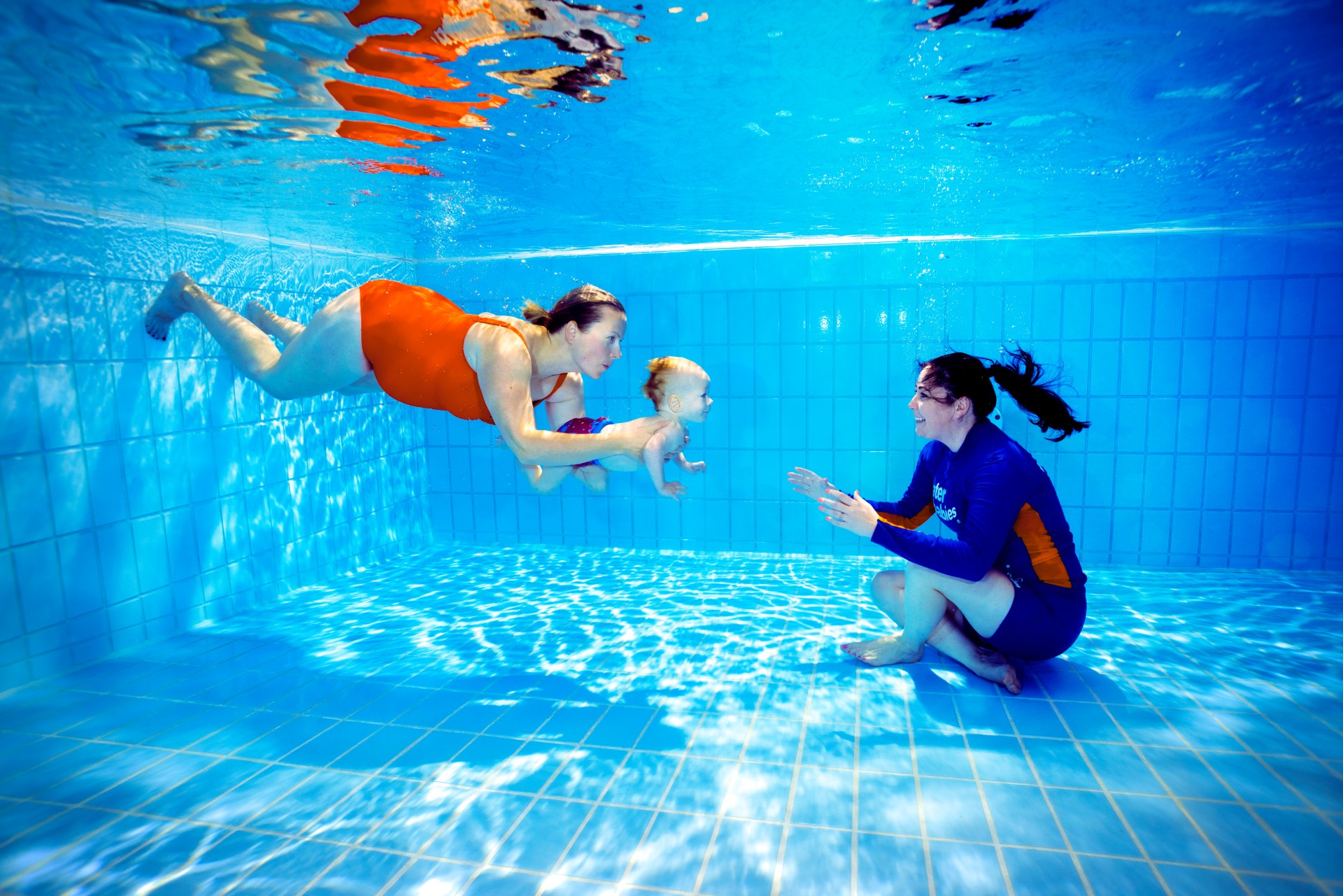
Summer Safety with Water Babies
Your child’s safety is at the heart of everything we do at Water Babies. As a key part of our swimming programme, we teach babies, toddlers, and the early years water safety skills which could one day help save a life.
And there’s a reason why learning water safety from an early age is so important. Our strategic partner, Water Safety Ireland, has shared sobering statistics that highlight the risks:
- Between 2019 and 2023, there were 562 drownings in Ireland — an average of 113 lives lost each year.
- During this period, 24 children and young people under the age of 18 drowned.
- In 2023 and 2024, accidental drowning deaths among young people under 18 rose to an average of 7 per year, compared with an average of 5 per year between 2018 and 2022.
These figures underline the importance of giving children the knowledge and confidence to stay safe in and around water from an early age.
This is why teaching little one’s water safety skills can help their water confidence and safety as they continue to grow.
Below we’ve listed some of the most important ways that you can enjoy the water safely this summer.
Celebrate Your Little One’s Water Safety Skills
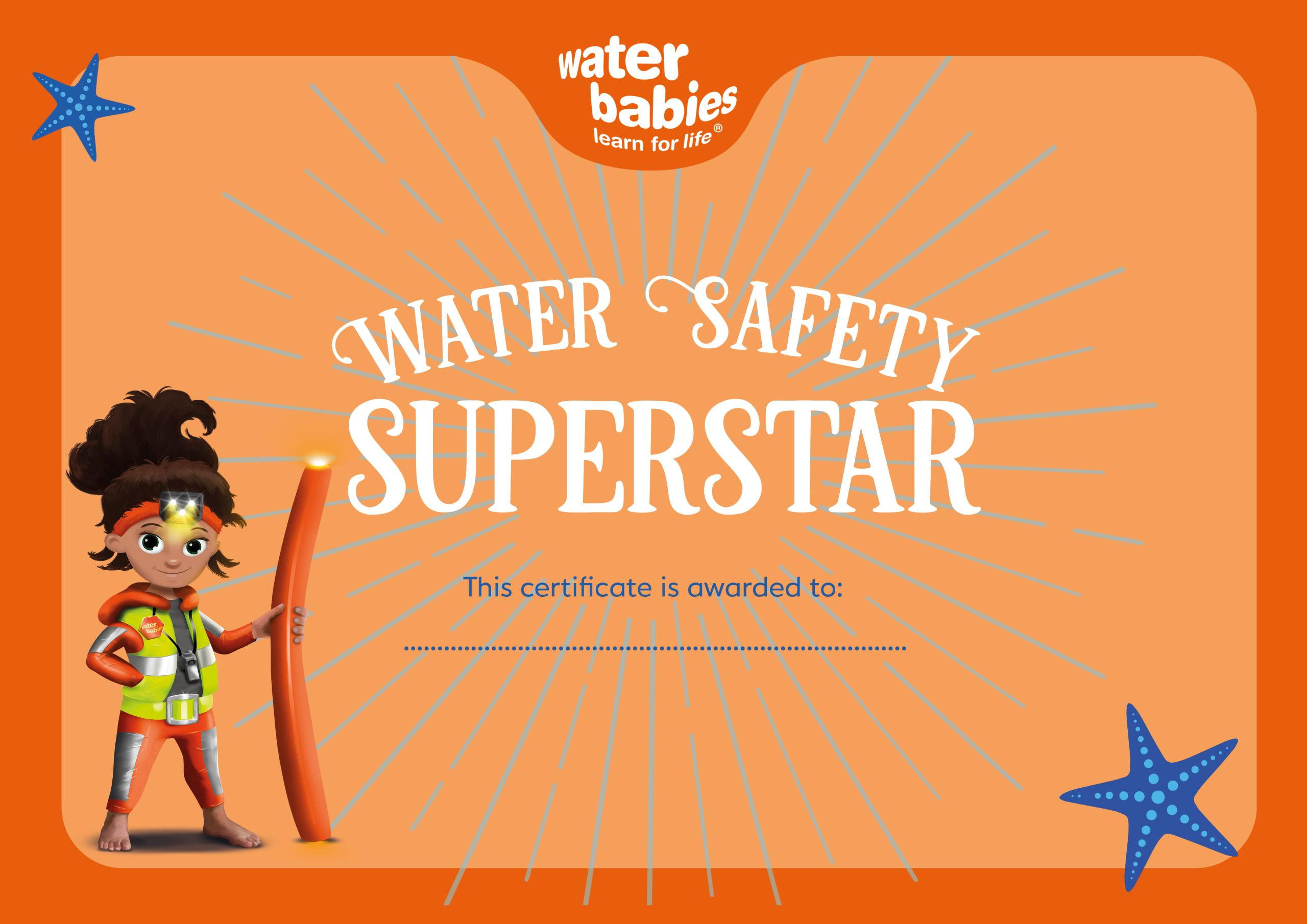
Our Safety Officer, Saffi, is delighted to award our Swimvincibles with a special downloadable certificate to celebrate the important water safety skills they’ve been learning.
From holding onto the side of the pool and travelling to a place of safety, to calling out for help, these early lifesaving skills help children build confidence and stay safer in and around water.
Download Water Safety Superstar Certificate PDF
10 Top Tips for Summer Safety
Safeguarding your babies and children from poolside to beach this holiday season with Aquatics Director at Water Babies, Áine Halton-Hanley
With the summertime approaching, Water Babies shares eight tips on how best to ensure water safety for babies and children. Whether you are setting up a paddling pool in your garden, planning a family day out at the beach, or a fun trip to the swimming pool, Water Babies has water safety covered for parents.

- Start swimming lessons as early as possible: fear of the water is a learnt behaviour, so it is important to get your little ones accustomed to the water at a young age, and show them how to respond to this environment in a safe way. It’s really important not to pass on your own fears of the water. At Water Babies we see babies swimming from birth and have had pupils as young as a day old in our classes, although the average starting age is between 3 to 4 months old.
- Make bath-time fun: Start introducing water to your baby in a fun environment by making bath time enjoyable with songs and toys. This positive association will then be transferred to the swimming pool and bigger water based environments. But it’s not just about having fun. For instance, did you know, children who take part in baby swimming reach developmental milestones such as counting to 10 much earlier than expected?
- Be aware of your surroundings at the poolside: Be aware of the type of pool that your little one is swimming in and check the temperature. “This should be a minimum 30 degrees and if your baby is under 12 weeks or 12 pounds, this needs to be 32 degrees or above. Take in the wider surroundings also and check if there is a lifeguard on duty, whether there are any slippery surfaces, where the deep end of the pool is and if there are any cracked tiles; as these are all factors to consider when ensuring water safety.
- Kit your baby out in all the gear: There are lots of great things you can kit your baby out in – a floppy sun hat if you’re outside, a happy nappy wetsuit if you’re worried they might get a little chilly and for older toddlers, a float jacket can give them a little bit of independence (but make sure you don’t leave them unsupervised). We have a full range of Summer Safety products on our shop website.
- Swimwear colours: As well as kitting your little one in the right clothing this summer, it’s also important to think about the colour of their swimwear. Similarly to being in a big crowd, brightly coloured swimwear will help you to spot your little one in the water and keep them in safe. Especially if they’re older children and swimming underwater.
- Always keep an eye on your children: Always keep a watchful eye on your children, even if there is a lifeguard on duty. Lifeguards are a great additional resource but do not solely rely on this. Designate an adult who can keep an eye on the children who are both in and around the pool and always keep non-swimmers within arm’s length.
- Floatation devices are not life preservers: Floatation devices can be a fun experience for babies and children, however always keep in mind that these are not life preservers and even if your little one has floats, you shouldn’t take your eyes off them. As these can either float away with currents and tides, or even tip over with your little one inside.
- Inflatables: Just like flotation devices, inflatables are also not life preservers and can easily be blown out to sea. Children shouldn’t be left unsupervised on inflatables and if they are used, little ones must wear appropriate buoyancy aids when on them. Inflatables include items such as boats, Lilo’s etc. but also paddleboards as well, especially blow-up ones.
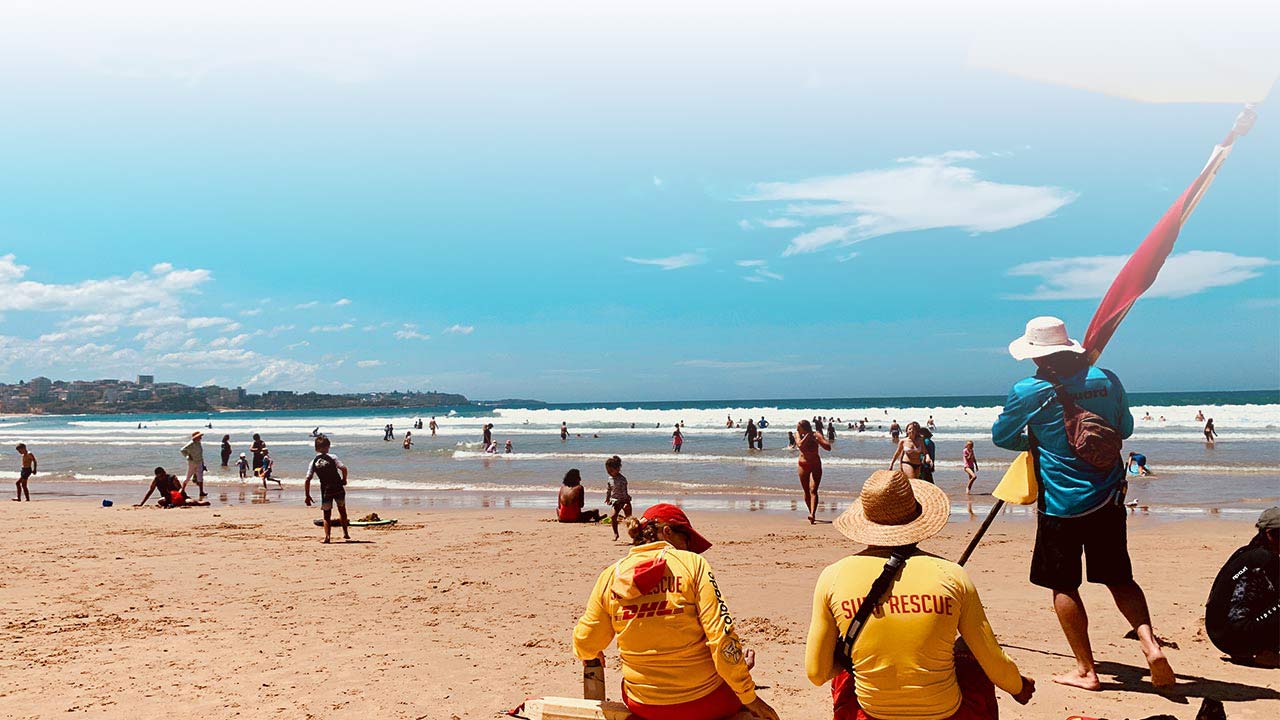
- Paddling pool and beach safety: Paddling pools are great fun in the garden on a hot summer’s day, but always keep water safety a priority, even if your children are in a paddling pool with just a few inches of water. Once you are finished, ensure you empty out the water and tip the paddling pool over. At the beach, always check whether there are trained lifeguards on duty, always swim in between the designated flags (familiarise yourself with these if you’re abroad, as signage can change depending on the country) and keep in mind possible rip currents and tides.
- Learn BLS (Basic Life Support): When it comes to emergency and survival, every second counts. If you are abroad, make sure you know the emergency number and it is always advisable to have a first aid kit with you. At Water Babies, all our teachers are qualified life-savers and are trained to carry out infant resuscitation (a qualification which they renew every two years). All teachers also carry: First aid kits, first aid books, mobile phones, emergency action plans, customised for each pool and local emergency numbers.

Water Safety Ireland
National Water Safety Awareness Week takes place from May 18th – 25th, a dedicated week focused on promoting safe practices around water for people of all ages.
Water Safety Ireland will deliver a mix of online sessions and events designed to support families and keep children safe around water. Their “Hold Hands” programme, aimed at 3 – 5 year olds, teaches essential safety lessons for everyday environments – from the home and garden to beaches, rivers, lakes, farms, and even holidays abroad. With fun lesson plans and storyboards, it’s a great resource for both classrooms and at-home learning.
At Water Babies, we’re proud to support this initiative by reinforcing vital water safety messages. Throughout the week, we’ll be:
- Sharing practical water safety tips for parents and carers
- Highlighting simple ways to keep your little one safe both in and out of the pool
- Focusing on water safety skills in every class, tailored to our youngest swimmers
By working together, we can help ensure every child has a safe, happy relationship with water from day one.
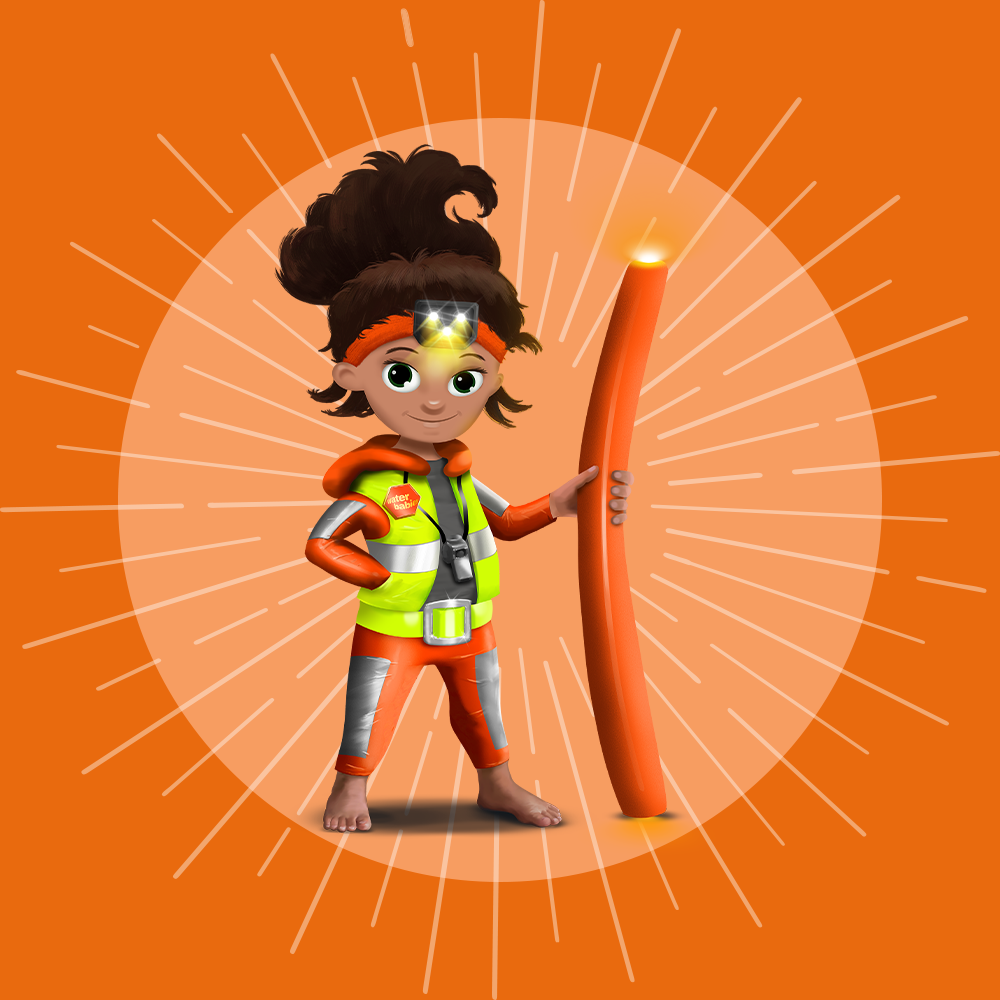
Shine a light on water safety this Drowning Prevention Week with Saffi’ll teach you
Saffi is our Water Safety Officer and is always shining a light on the importance of being safe in and around water at Lighthouse Lagoon. With her bustling energy, little ones will join Saffi during their lessons to progress their swimming skills and learn new strokes.
As you progress through our Oceans of Imagination world, Saffi will be there to teach your little Swimvincible key safety skills such as being able to hold onto the side of the pool, travel to a place of safety and call out for help.
You’ll always hear her say, “better safe than soggy”. Saffi will be providing her expert water safety advice to families both in and out of the pool. So this summer you can learn how to enjoy the water safely, outside of lessons.
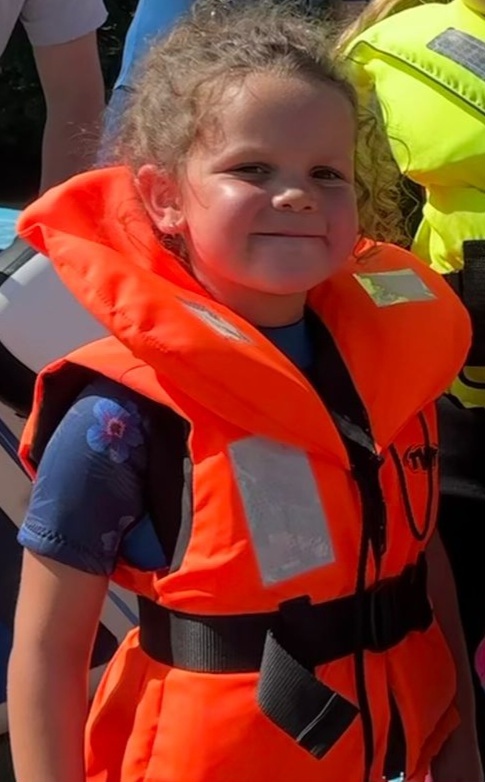
Lucie’s Story
4 year old Lucie and her family went paddleboarding with friends, stopping on a jetty for a picnic where she took off her life jacket.
During some fun and games after their picnic, Lucie accidently fell into the water and was pulled under. Her Water Babies instincts took over instantly, and Lucie kicked to surface, floated to calm herself and then swam and held onto the jetty for safety. She remained calm throughout and wasn’t fazed by any of it!
Lucie’s mum, Natasha, had this to say about the experience –
“Due to how Lucie handled it, we all felt calm & relaxed about it. It honestly felt like nothing happened if that’s possible, it was only thinking about it after that I actually appreciated how differently the situation could have been and how amazing she was. I cannot recommend the lessons enough.”
Dive into confidence with our Tips, Insights, and Stories
Explore a treasure of information with expert advice, inspiring stories, and practical tips to support your baby’s swimming journey.